On-Demand Logistics App
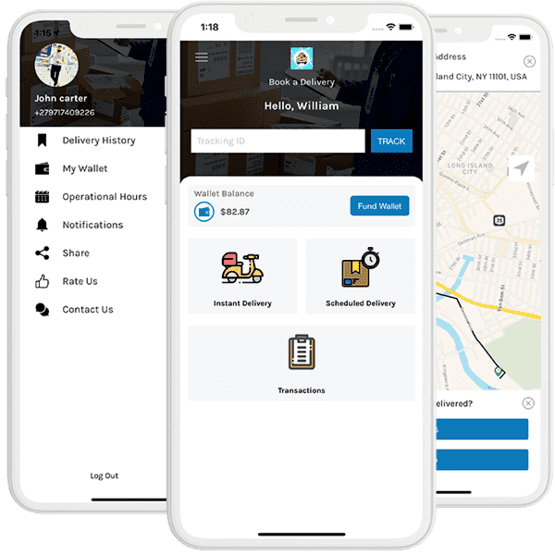
Today, businesses rely heavily on advanced logistics app development solutions to streamline daily operations, improve delivery efficiency, and enhance customer satisfaction. A powerful on-demand logistics app helps companies manage end-to-end delivery workflows — from shipment booking and route optimization to real-time fleet tracking and performance analytics. With the right on-demand delivery software, logistics businesses can automate operations, reduce manual errors, and scale faster.
An advanced on-demand logistics app connects customers who need to ship goods with drivers or fleet operators in real time. Whether it’s local parcel delivery, large-scale cargo transport, or last-mile delivery services, modern on-demand delivery software ensures seamless coordination between drivers, fleet managers, and customers.
Whether you operate a courier company, freight service, trucking business, or last-mile delivery startup, advanced on-demand delivery software empowers you to manage and grow your logistics operations effectively.
Why choose UBERApps for The Logistics App
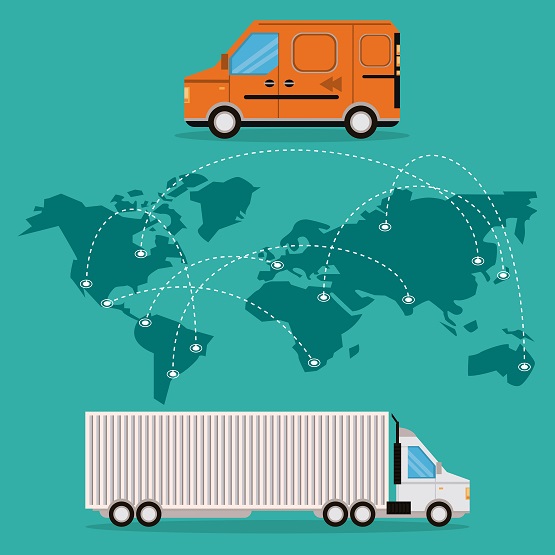
At UberApps.tech, we offer professional logistics app development services designed to overcome these challenges with smart automation and real-time monitoring. Our customized logistics app solutions help businesses digitize operations and gain complete control over their delivery ecosystem. Whether you need a scalable on-demand logistics app, a powerful shipment management app, or enterprise-grade on-demand delivery software, we deliver secure and performance-driven solutions tailored to your business model. As a trusted provider of logistics app development services, we build:
Some key benefits of using an on-demand logistics app include:
- On-demand logistics apps
- Enterprise shipment management apps
- Fleet tracking apps
- Delivery tracking software
- End-to-end on-demand delivery software
- Custom transportation app development solutions
We focus on scalability, security, and performance to ensure your logistics business stays ahead in a competitive market.
How It Works
An on-demand delivery software solution enables smooth communication between shippers and drivers. It optimizes routes, reduces operational costs, and provides a more convenient experience for both parties. With integrated delivery tracking software and shipment management app features, businesses can automate workflows, improve coordination, and scale operations effectively. This makes transportation app development a key investment for companies looking to grow in the logistics industry.
1
Book
Choose your pickup & drop location and time at the time of booking.
2
Pick-up
A delivery partner will come to your place to pick up your goods.
3
Transport
You can monitor the trip with live vehicle tracking and regular sms/email updates from our mobile app.
4
Deliver
The delivery partner will ensure that your goods are delivered safely to the destination.
How do Logistics Apps make money
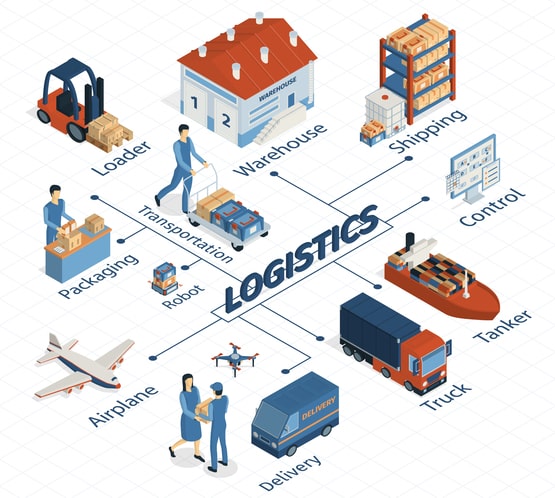
In today’s fast-paced environment, it has become essential for logistics businesses to offer a dedicated app, as customers now expect quick, digital, and transparent services. Without a mobile or web-based logistics platform, companies risk losing customers to competitors who provide faster and more convenient solutions. A logistics app not only improves operations but also opens multiple revenue streams.
One of the primary ways logistics apps generate income is through commission fees. The platform charges a percentage from each completed delivery or transaction between customers and drivers or logistics partners. This model ensures steady revenue as order volume increases.
Another common revenue source is delivery or service charges. Customers pay a fixed or distance-based fee for transporting their goods. These charges can vary depending on package size, urgency, route, or vehicle type.
Many logistics apps also offer subscription plans for businesses or frequent users. Companies that rely on regular shipments can subscribe to monthly or yearly plans to access discounted rates, priority support, or advanced features.
Surge or peak-time pricing is another profitable model. During high-demand periods, the app automatically increases delivery rates, allowing businesses to maximize earnings while balancing supply and demand.
Commissions
In this model, the logistics app charges a fixed percentage or service fee on every successful booking or delivery. Each time a shipment is completed through the platform, a portion of the transaction value goes to the app owner. This creates a steady and scalable revenue stream, especially as the number of orders increases.
Advertisements
Logistics apps can also earn revenue by running advertisements and promotional campaigns for related businesses. This may include vehicle manufacturers, fuel companies, car service centers, insurance providers, or logistics partners. These brands pay to display their ads within the app, helping them reach a targeted audience while generating additional income for the app owner.
Paid Apps
Under this monetization model, users or businesses pay a one-time fee to purchase the app or gain lifetime access to its features. This approach is often used for enterprise logistics solutions or white-label platforms, where companies buy the software and use it under their own brand.
Loyalty Points
Loyalty programs encourage repeat usage by rewarding customers or drivers with points, discounts, or special offers. These rewards can be redeemed for future deliveries or premium services. By offering such benefits, the app increases customer retention, order frequency, and overall revenue over time.
Logistics App Features
Are you planning to build a logistics app? These are the general features to include in an on-demand logistics app.
Customer App Features
- Social login and signup (Google, Apple, email, or phone)
- Profile management
- Multiple vehicle or service categories
- Instant booking and scheduled delivery
- Fare or delivery cost estimation
- Live order and vehicle tracking
- View nearby trucks or delivery partners
- Secure payment options (card, wallet, cash, etc.)
- Push notifications and trip updates
- Order history and invoices
- Ratings and reviews
Driver App Features
- Social login and secure signup
- Driver profile and document upload
- Vehicle and document verification
- Accept or reject delivery requests
- Real-time navigation and route optimization
- Earnings dashboard and trip history
- Online/offline availability toggle
- In-app notifications and alerts
- Wallet and payout management
Admin Panel Features
- Dashboard with live statistics
- Revenue and commission management
- Role and access management
- Transaction and payment management
- Driver and vehicle document verification
- User and driver management
- Offer and discount management
- Reports and analytics
- Wallet and payout management
- Content and notification control
Advanced Features
- GPS-based tracking and route optimization
- In-app chat between customer and driver
- Referral and reward programs
- Cloud-based operations and storage
- Real-time analytics and insights
- Multilingual support for customers and drivers
- Live delivery and fleet status monitoring
Logistics App Development Cost
The cost of logistics app development depends on several technical and business factors. Whether you are building a basic logistics app, an advanced on-demand logistics app, or complete on-demand delivery software, the final investment varies based on the scope and customization required. Key factors that influence the cost of a logistics app include:
- Features and Functionality:The number of features such as live tracking, in-app chat, digital payments, route optimization, and analytics directly affects development time and cost.
- UI/UX Design:A modern and user-friendly interface requires professional design work, which adds to the development effort.
- Technology Stack:The choice between Android, iOS, or cross-platform development, along with backend infrastructure, impacts the overall cost.
- Project Complexity:A simple shipment management app or fleet tracking app is less complex than a full-featured delivery tracking software with automation and integrations.
- Developer Expertise and Location:Development rates vary depending on the experience level and geographic location of the development team.
- Customizations and Integrations:Additional features, third-party API integrations, and enterprise-level modules can increase the development scope.
Investing in professional transportation app development helps improve operational efficiency, productivity, real-time visibility, and overall revenue. A well-built on-demand logistics app enables businesses to automate processes, reduce manual work, and scale their operations effectively in today’s competitive market.
Ready to get started?
Launch your on-demand logistics app to streamline operations and serve more customers.Boost efficiency, increase bookings, and achieve higher ROI with smart logistics technology.